






What Buyers Should Know About Property Taxes in the Texarkana Area
Property taxes are one of the most important long-term costs associated with homeownership, yet many buyers do not fully understand how they work before purchasing a property.
In the Texarkana region and surrounding four-state area, property taxes can vary significantly depending on:
- location
- school district
- exemptions
- property type
- and assessed value
Understanding these factors before purchasing can help buyers better evaluate affordability and long-term ownership costs.
Property Taxes Can Vary Significantly by Location
One of the biggest surprises for buyers is how much tax rates can differ between areas.
Factors that often influence tax amounts include:
- county location
- city limits
- school districts
- utility districts
- and special taxing entities
Two similar homes located only a short distance apart may still have very different tax obligations.
Assessed Value and Market Value Are Not Always the Same
Many buyers assume the purchase price automatically becomes the taxable value.
In reality, appraisal districts evaluate properties independently based on various factors.
Taxable value may change over time due to:
- market conditions
- property improvements
- reassessments
- and exemption status
Understanding this distinction is important when estimating future costs.
Homestead Exemptions Can Help Reduce Taxes
For owner-occupied properties, homestead exemptions may help reduce taxable value depending on the state and property qualification requirements.
Buyers should research:
- homestead exemptions
- over-65 exemptions
- veteran-related exemptions
- agricultural exemptions where applicable
Applying for exemptions properly can create meaningful long-term savings.
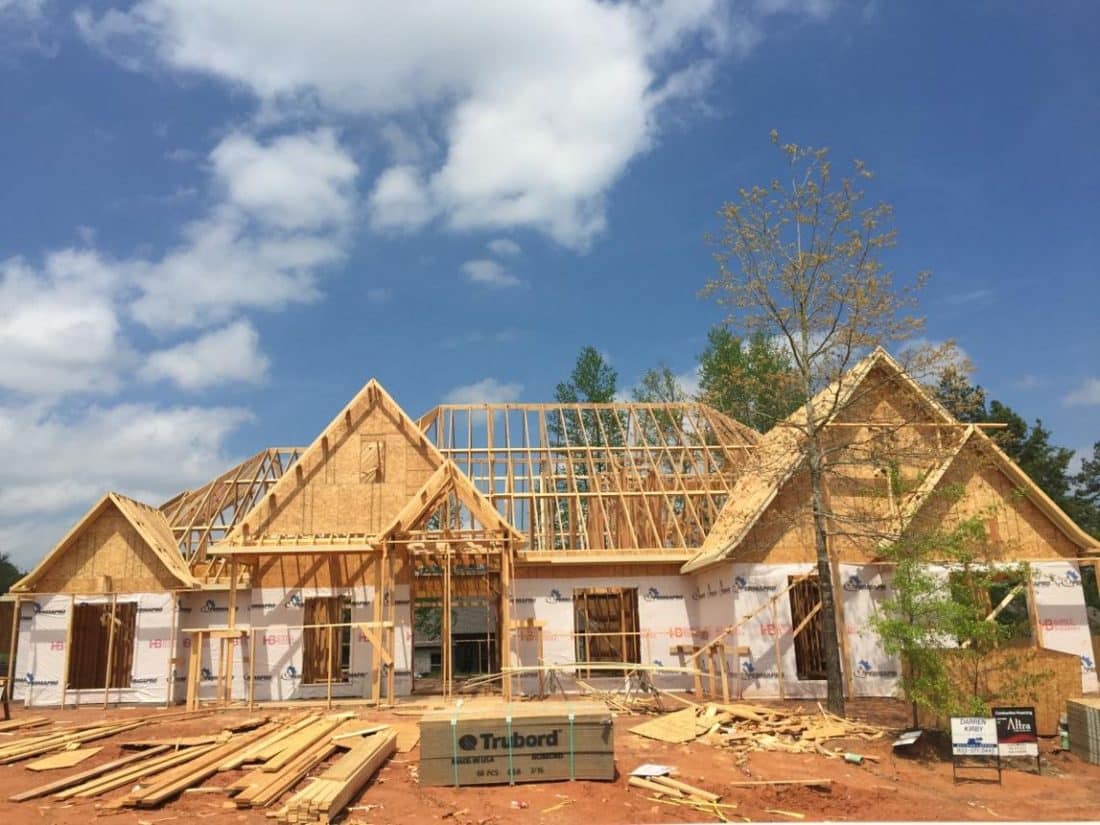
New Construction Properties May Create Confusion
New construction homes sometimes have estimated taxes based on:
- vacant land values
- partial improvements
- or incomplete assessments
As a result, future taxes may differ substantially once the property is fully assessed.
Buyers should evaluate projected taxes carefully when purchasing new construction.
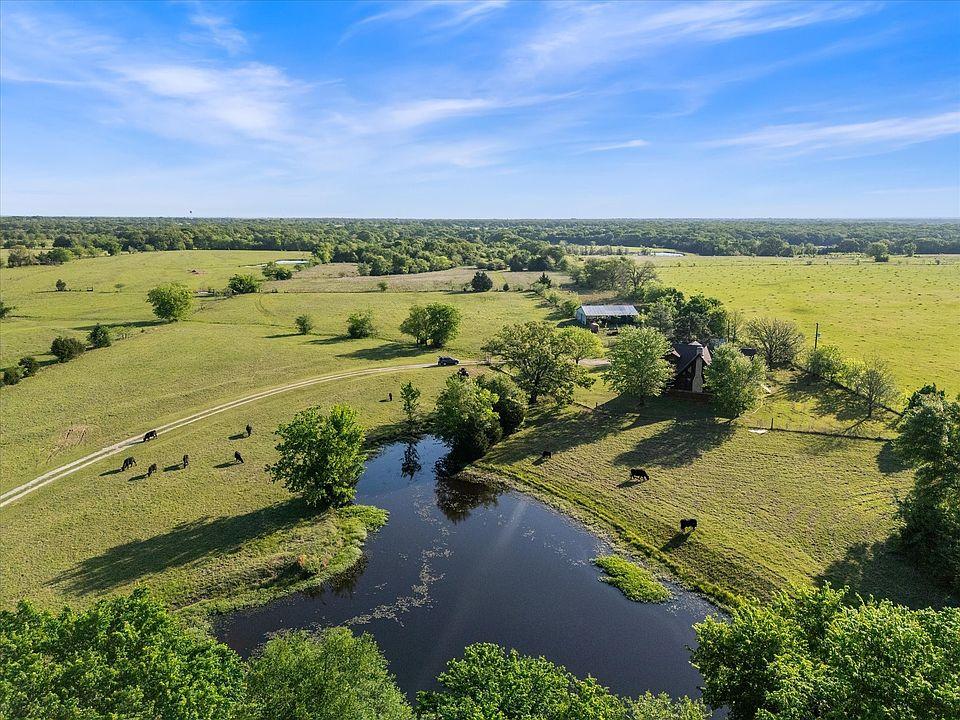
Rural Properties May Have Additional Tax Considerations
Properties with acreage may involve:
- agricultural exemptions
- timber exemptions
- wildlife exemptions
- rollback tax considerations
Understanding how land is currently assessed—and whether exemptions may change after purchase—is important before closing.
Escrow Payments Affect Monthly Costs
For financed properties, property taxes are often included within monthly mortgage payments through escrow accounts.
This means changes in taxes may also affect:
- monthly payment amounts
- escrow shortages
- future budgeting
Buyers should account for this when evaluating affordability.
Common Mistakes Buyers Make
Looking Only at Current Tax Amounts
Taxes may change after purchase depending on valuation and exemptions.
Not Researching Exemptions
Available exemptions may significantly impact long-term costs.
Assuming New Construction Tax Estimates Are Final
Future assessments may increase once construction is complete.
Property Taxes Are Part of Long-Term Homeownership
Throughout Northeast Texas, Southwest Arkansas, Southeast Oklahoma, and Northwest Louisiana, property taxes remain an important part of evaluating overall homeownership costs.
Understanding how taxes work before purchasing can help buyers avoid surprises and make more informed long-term decisions.
Final Thoughts
Property taxes are about more than simply reviewing the current tax bill.
Location, exemptions, assessments, and future valuation changes can all impact long-term affordability and ownership costs.
If you’re considering purchasing property in Texarkana or the surrounding four-state region:
Reach out to Realty Fanatics Group, we can help you better understand property taxes, exemptions, and long-term ownership considerations before you buy